The character on the page
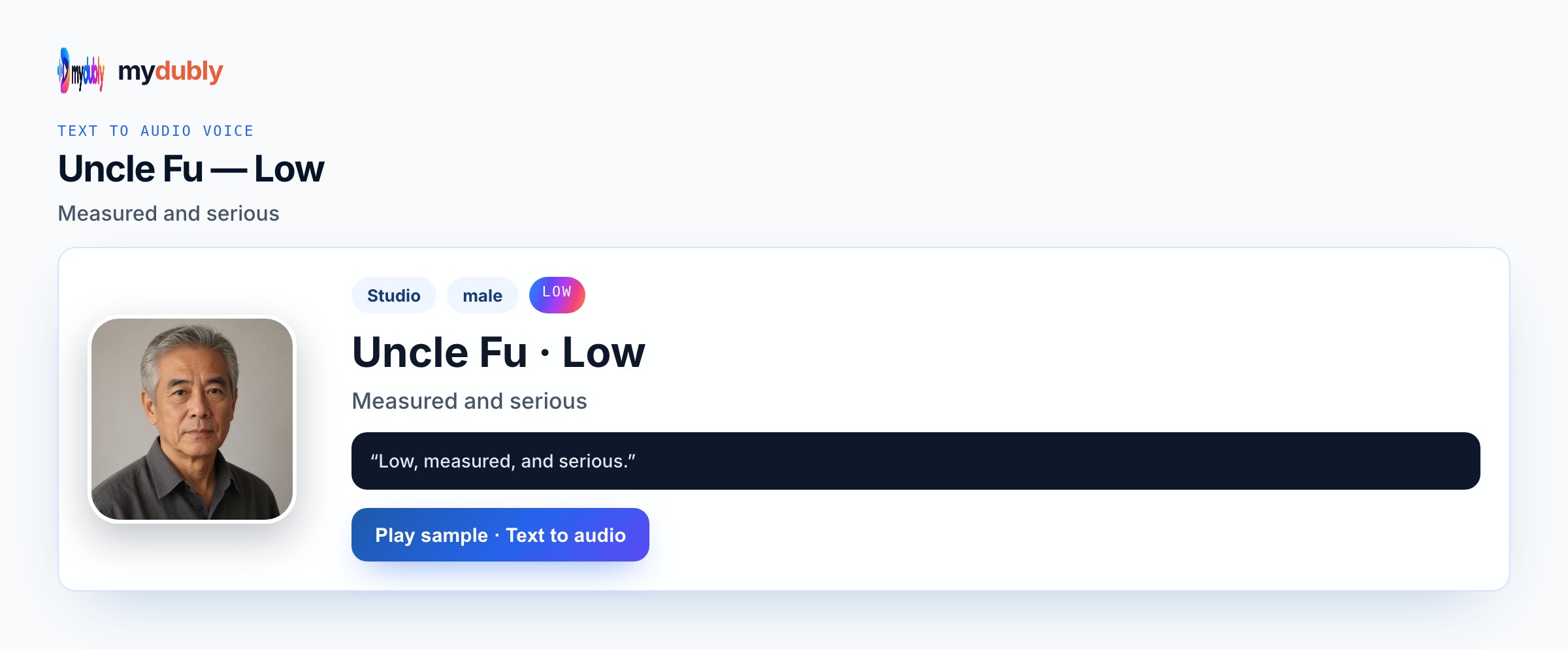
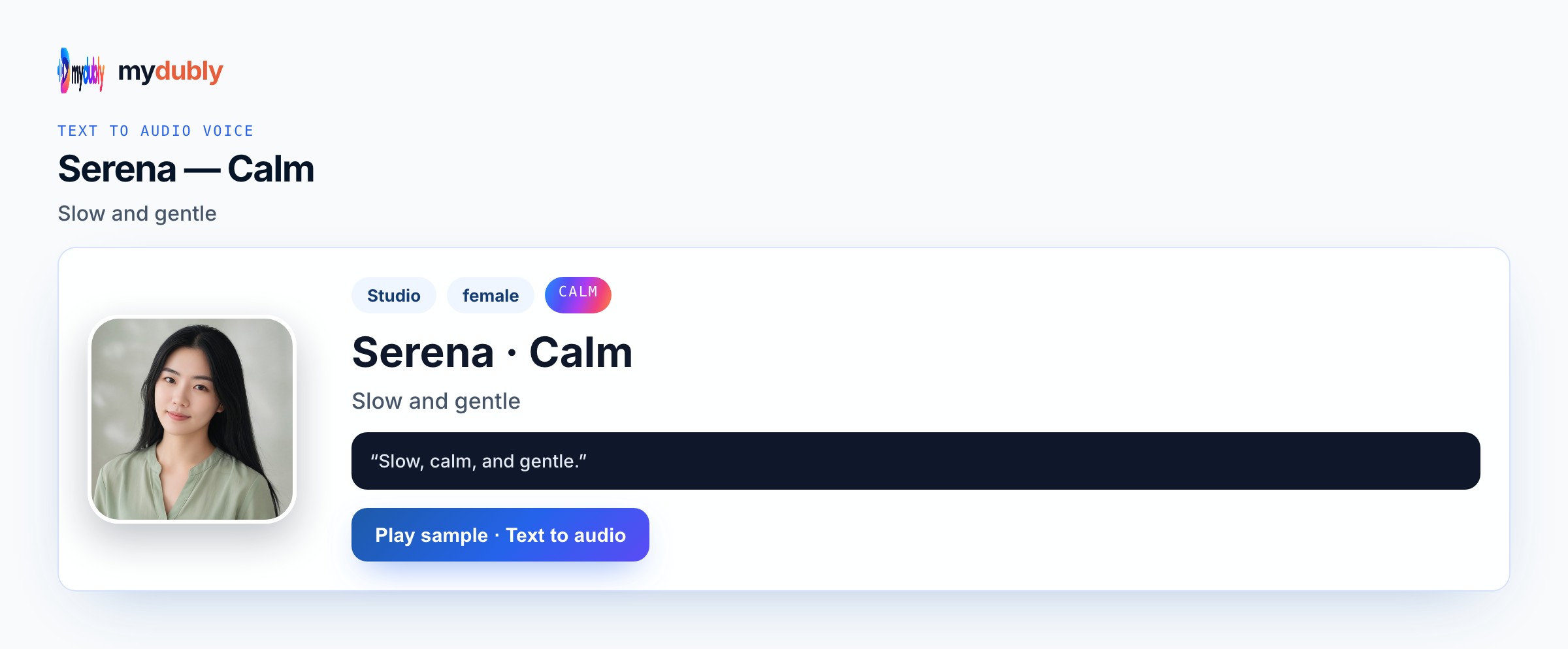
Wise characters flatten when they share a bright host voice. Low (uncle-fu) is the product match for measured weight; Calm softens mercy; Story fits a remembered parable. Keep names original. Teams burn credits when they paste five conflicting tones in one block — lock the delivery for this keyword first, then run a second job if the scene truly shifts. Teams who search wise low character voice AI usually arrive with a draft already written — A council-chamber scene needs the elder’s verdict to sit lower and slower than the young envoy’s plea — Low against Bright. That situation is exactly when Uncle Fu, Serena Calm, or Ryan Story should be previewed on one sentence before a full paste, because the wrong family wastes the two-minute dubbing-credit minimum. Worldbuilders and playwrights casting elder advisors also care about practical shipping: Speak in must match the language of the text, Conversation mode only when Keep the brief product-honest.
How a character voice stays distinct
Low for the verdict; Calm for the mercy clause; Story for the history lesson; Bright for the envoy. No chamber ambience from the product. Listen once without reading along so pacing problems show up before you spend a longer paste. While previewing wise low character voice AI, compare Uncle Fu, Serena Calm, or Ryan Story on the same opening sentence from your paste and listen without reading along. Proper nouns, times and UI labels fail first — put them on dedicated lines. One Speak in language per job keeps endings clean. Keep the same preset map the next time you open this scene so collaborators recognise the role by ear. Listen once on the device speakers your audience will use, then retake only the broken names. Write the stakes into concrete nouns before you spend another job of dubbing credits.
Example dialogue
Elder: "The border holds if both sides keep their word." Envoy: "Words break when harvests fail." Elder: "Then write the harvest into the treaty — not the rumour."
Who casts this voice
Worldbuilders and playwrights casting elder advisors need wise low character voice AI audio when the page is still silent. A council-chamber scene needs the elder’s verdict to sit lower and slower than the young envoy’s plea — Low against Bright. They assign Uncle Fu, Serena Calm, or Ryan Story, keep one Speak in language per job across the styled set, and drop the M4A into a DAW, LMS or cutscene folder. Conversation mode matters only when a foil must answer in another listed preset. Dubbing credits and the two-minute minimum favour batching the full beat once, then re-speaking drifted names.
Build the scene
Paste elder and envoy lines, assign Low vs Bright (Calm/Story as needed), generate, fix treaty terms that blurred, download. After the first listen, rewrite only the lines that slipped, then generate those again instead of redoing the whole scene when the rest already works. Confirm Speak in, assign voices (Conversation mode when needed), generate once, then retake only broken lines. Download M4A for the folder that matches this wise low character voice AI job — podcast timeline, LMS, cutscene bank or rehearsal speaker. Keep the same preset map the next time you open this scene so collaborators recognise the role by ear. Listen once on the device speakers your audience will use, then retake only the broken names. Write the stakes into concrete nouns before you spend another job of dubbing credits. Keep the same preset map the next time you open this scene so collaborators recognise the role by ear.
Casting mistakes to avoid
Watch for these wise low character voice failures: wrong preset family versus Uncle Fu, Serena Calm, or Ryan Story; production notes inside the spoken paste; one throat for multi-speaker contrast; mixed Speak in languages; and publishing before a headphone check. One preset for every role collapses contrast that Uncle Fu, Serena Calm, or Ryan Story was meant to protect. Worldbuilders and playwrights casting elder advisors lose the most time when they regenerate without rewriting the muddy clause. Document the voice map for the next episode.
After you listen
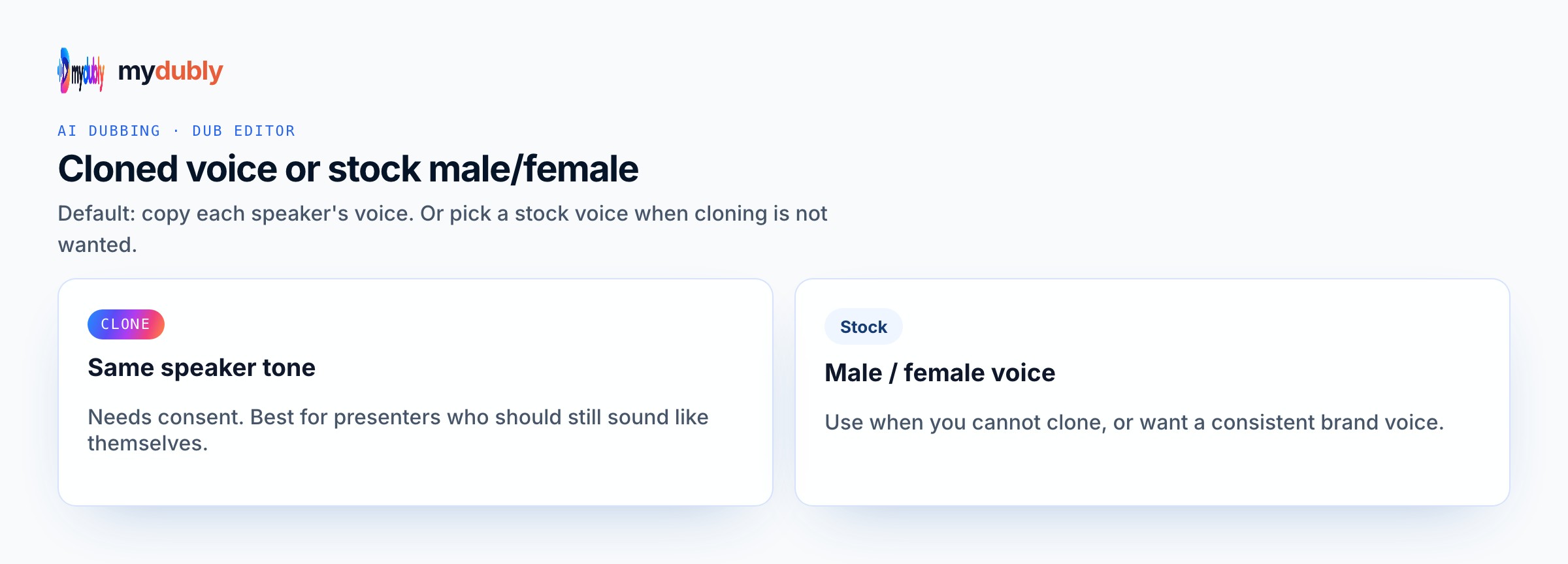
Avoid stuffing the elder’s lines with archaic thee/thou unless you want that said exactly. Keep stage directions and speaker labels out of the spoken text unless you truly want those words heard. After the first listen for wise low character voice AI, rewrite soft or muddy clauses with shorter diction and keep Uncle Fu, Serena Calm, or Ryan Story rather than stacking punctuation. A council-chamber scene needs the elder’s verdict to sit lower and slower than the young envoy’s plea — Low against Bright. is the ear test — if that situation still sounds wrong, you picked the wrong preset family or left stage directions in the paste. Batch useful runtime against the two-minute minimum, strip labels you do not want spoken, and document the voice map for the next episode. Clone remains permission-based; stock casting stays inside Studio and Mood catalogues.
Using the tool on this page
- Paste the text. The language it is written in is read from the words. Set the language it should be spoken in. The same language speaks the words as written.
- Studio and Mood voices play a short sample in Chinese, English, French, German, Italian, Japanese, Korean, Portuguese, Russian and Spanish. Hindi, Arabic, Turkish, Polish, Dutch, Swedish, Norwegian, Finnish and Hebrew need a recording of 3 to 15 seconds from someone you have permission to copy. A longer sample keeps the first 12 seconds.
- The reading is priced like a video dub: 120 credits per minute (12¢), minimum 2 minutes per file. A short paragraph still meets the 2-minute minimum.
- When it finishes, the reading stays on this page. Edit the script and speak it again: that is a new reading of the whole script at the same dubbing price, including the 2-minute minimum. Download the audio. Files stay 120 minutes. A video dub is a different job and opens in the dub editor. More is on the text to audio dubbing tool page.
Frequently asked questions
Is Low the same as a deep villain voice?
Low is measured and serious. For ominous threat, try Horror or Whisper instead — or Angry for open fury.
Where do I open wise low character voice?
On this page, or from the Text to Audio tab on the mydubly home page. The finished job opens in the text editor so you can change a line or a voice and speak the script again.
Can I assign a different voice to another speaker in the same scene?
Yes. Conversation mode lets each line take a different Studio or Mood preset so the exchange stays distinct.