The character on the page
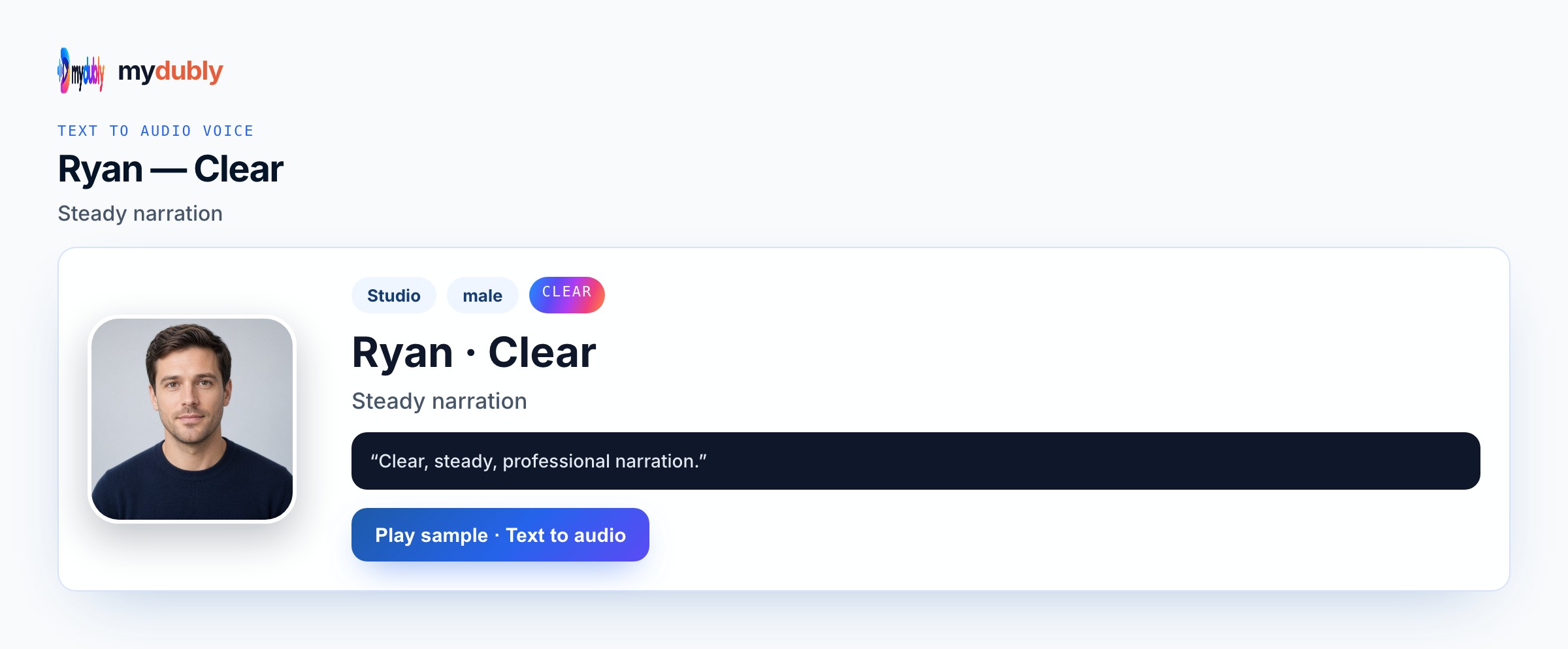
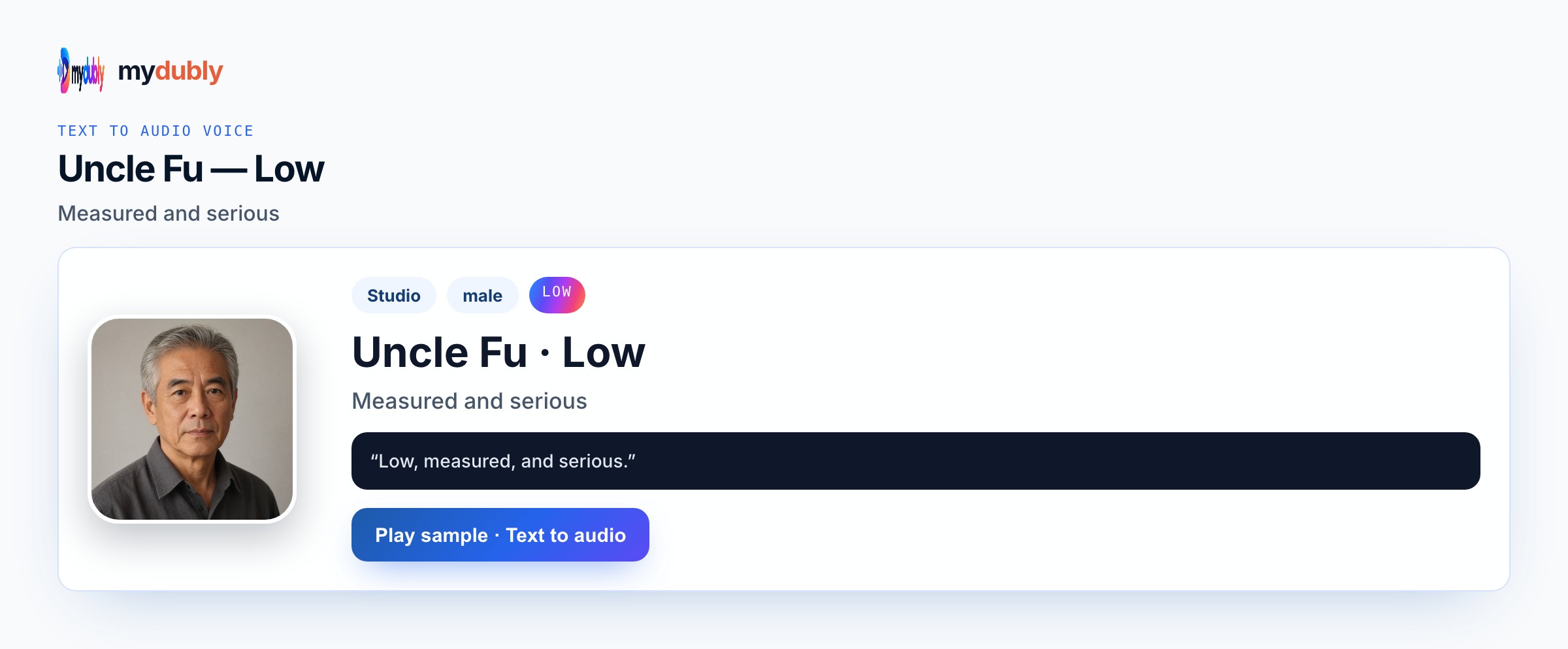
Multi-character work fails when every speaker is the same preset. Conversation mode exists so line one can be Bright, line two Calm, line three Clear, and a rare Low interjection from the owner. Keep labels for yourself; strip them from the spoken paste if you do not want “Shopkeeper A” said aloud. Styled-language Speak in covers Chinese, English, French, German, Italian, Japanese, Korean, Portuguese, Russian and Spanish; other tongues need a short clone with permission, not a guessed accent toggle. Teams who search multi character conversation AI usually arrive with a draft already written — A late train into Glasgow carries a producer listening to a four-line cold open. Two shopkeepers and a customer must not share one throat before the edit bay opens. That situation is exactly when Aiden Bright, Serena Calm, or Ryan Clear should be previewed on one sentence before a full paste, because the wrong family wastes the two-minute dubbing-credit minimum. Podcast fiction producers and writers workshopping multi-speaker scenes also care about practical shipping: Speak in must match the language of the Keep the brief product-honest.
How a character voice stays distinct
Bright sells; Calm soothes; Clear states the price; Low closes the argument. The product will not auto-cast roles from a character bible — you assign voices. No lip-sync, no bed music. Listen once without reading along so pacing problems show up before you spend a longer paste. While previewing multi character conversation AI, compare Aiden Bright, Serena Calm, or Ryan Clear on the same opening sentence from your paste and listen without reading along. Proper nouns, times and UI labels fail first — put them on dedicated lines. One Speak in language per job keeps endings clean. Keep the same preset map the next time you open this scene so collaborators recognise the role by ear. Listen once on the device speakers your audience will use, then retake only the broken names. Write the stakes into concrete nouns before you spend another job of dubbing credits.
Example dialogue
Seller: "Fresh loaves until noon." Buyer: "Two, and keep the heels soft." Seller: "Heels are soft — coins first." Owner: "Till closes when the bell rings."
Who casts this voice
Real workflows for Multi Character Conversation AI: table reads, pilot cold opens, session-zero audio and rehearsal pastes that match “A late train into Glasgow carries a producer listening to a four-line cold open. Two shopkeepers and”. Podcast fiction producers and writers workshopping multi-speaker scenes pick Aiden Bright, Serena Calm, or Ryan Clear because a Clear habit undercuts this keyword. Styled-language Speak in covers zh/en/fr/de/it/ja/ko/pt/ru/es; other tongues need a permitted clone. Export stays speech-only M4A — no music bed, no lip-sync. Reuse the same casting notes next session so the role is recognisable by ear.
Build the scene
Paste the conversation, assign a distinct product voice per line in Conversation mode, generate, retake any price that was misread, download the M4A for the podcast timeline. After the first listen, rewrite only the lines that slipped, then generate those again instead of redoing the whole scene when the rest already works. Confirm Speak in, assign voices (Conversation mode when needed), generate once, then retake only broken lines. Download M4A for the folder that matches this multi character conversation AI job — podcast timeline, LMS, cutscene bank or rehearsal speaker. Keep the same preset map the next time you open this scene so collaborators recognise the role by ear. Listen once on the device speakers your audience will use, then retake only the broken names. Write the stakes into concrete nouns before you spend another job of dubbing credits. Keep the same preset map the next time you open this scene so collaborators recognise the role by ear.
Casting mistakes to avoid
One preset for every role collapses contrast that Aiden Bright, Serena Calm, or Ryan Clear was meant to protect. Celebrity or franchise names will not trigger an impersonation. For this slug (multi-character-conversation-ai), expecting music beds, lip-sync video or crying effects invents product features. Leaving speaker labels you do not want heard makes Aiden Bright, Serena Calm, or Ryan Clear say them. If the scene needs a soft reply against heat, Conversation mode — not a hybrid Mood — is the honest fix. Preview one sentence before a chapter paste.
After you listen
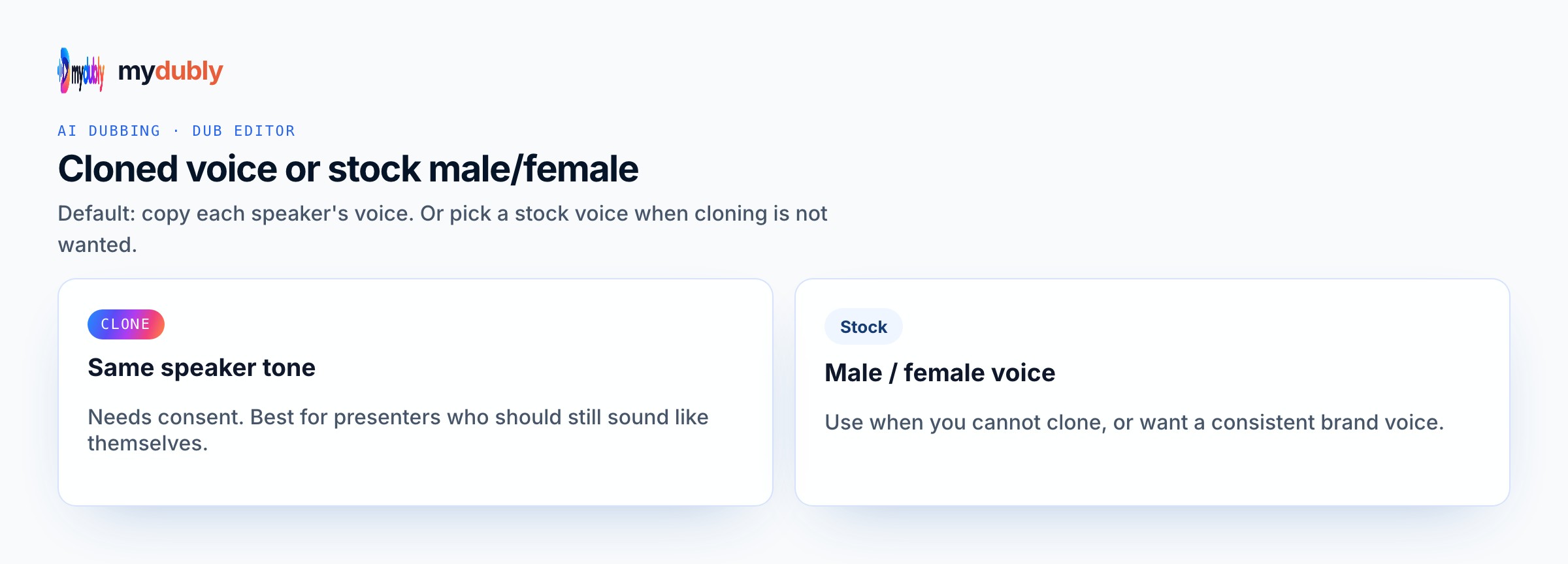
Cap a first pass at a short scene so you can hear casting mistakes cheaply. Reuse the same voice map across episodes for consistency. If the take still feels wrong, change the wording or switch to another real preset — do not invent a hybrid Mood the catalogue does not list. After the first listen for multi character conversation AI, rewrite soft or muddy clauses with shorter diction and keep Aiden Bright, Serena Calm, or Ryan Clear rather than stacking punctuation. A late train into Glasgow carries a producer listening to a four-line cold open. Two shopkeepers and a customer must not share one throat before the edit bay opens. is the ear test — if that situation still sounds wrong, you picked the wrong preset family or left stage directions in the paste. Batch useful runtime against the two-minute minimum, strip labels you do not want spoken, and document the voice map for the next episode. Clone remains permission-based; stock casting stays inside Studio and Mood catalogues.
Using the tool on this page
- Paste the text. The language it is written in is read from the words. Set the language it should be spoken in. The same language speaks the words as written.
- Studio and Mood voices play a short sample in Chinese, English, French, German, Italian, Japanese, Korean, Portuguese, Russian and Spanish. Hindi, Arabic, Turkish, Polish, Dutch, Swedish, Norwegian, Finnish and Hebrew need a recording of 3 to 15 seconds from someone you have permission to copy. A longer sample keeps the first 12 seconds.
- The reading is priced like a video dub: 120 credits per minute (12¢), minimum 2 minutes per file. A short paragraph still meets the 2-minute minimum.
- When it finishes, the reading stays on this page. Edit the script and speak it again: that is a new reading of the whole script at the same dubbing price, including the 2-minute minimum. Download the audio. Files stay 120 minutes. A video dub is a different job and opens in the dub editor. More is on the text to audio dubbing tool page.
Frequently asked questions
How many different voices can one conversation use?
As many lines as you assign — each line can take a different Studio or Mood preset. Stay within the listed product voices or a permitted clone.
Will the tool invent distinct voices automatically?
No. You choose the voice on each line. Conversation mode applies your choices; it does not invent new presets.
Where do I open multi character conversation ai?
On this page, or from the Text to Audio tab on the mydubly home page. The finished job opens in the text editor so you can change a line or a voice and speak the script again.
Do short scripts still use the two-minute dubbing minimum?
Yes. Credits follow the same dubbing rules as video, including the two-minute minimum, so batch useful lines in one paste when you can.